
Botanical editions
Herbal ingredients in men's formulas
Saw palmetto, maca root, ginseng, ginkgo biloba and tongkat ali account for most of the botanical shelf. Here is what each one actually is, and how to read it on a pack.
Why botanicals dominate the aisle
Familiar names on the front, real amounts on the back
Walk through a men's aisle in Jakarta and the botanical side is unmistakable. Formulas lean on plant extracts because the names are already familiar, and a paperboard pack prints them well. Look closely at a single capsule label and you often find serenoa repens listed next to ginseng, ginkgo biloba and tongkat ali in the same row. That clustering is normal for the category rather than unusual.
Knowing which name is which changes how you compare two packs. A single-ingredient capsule tells you one thing well. A blend tells you five things at once, and small amounts of each. Neither approach is dishonest — but only one of them lets you test an ingredient on its own.
The five plants
What each botanical is, and where it usually sits
-
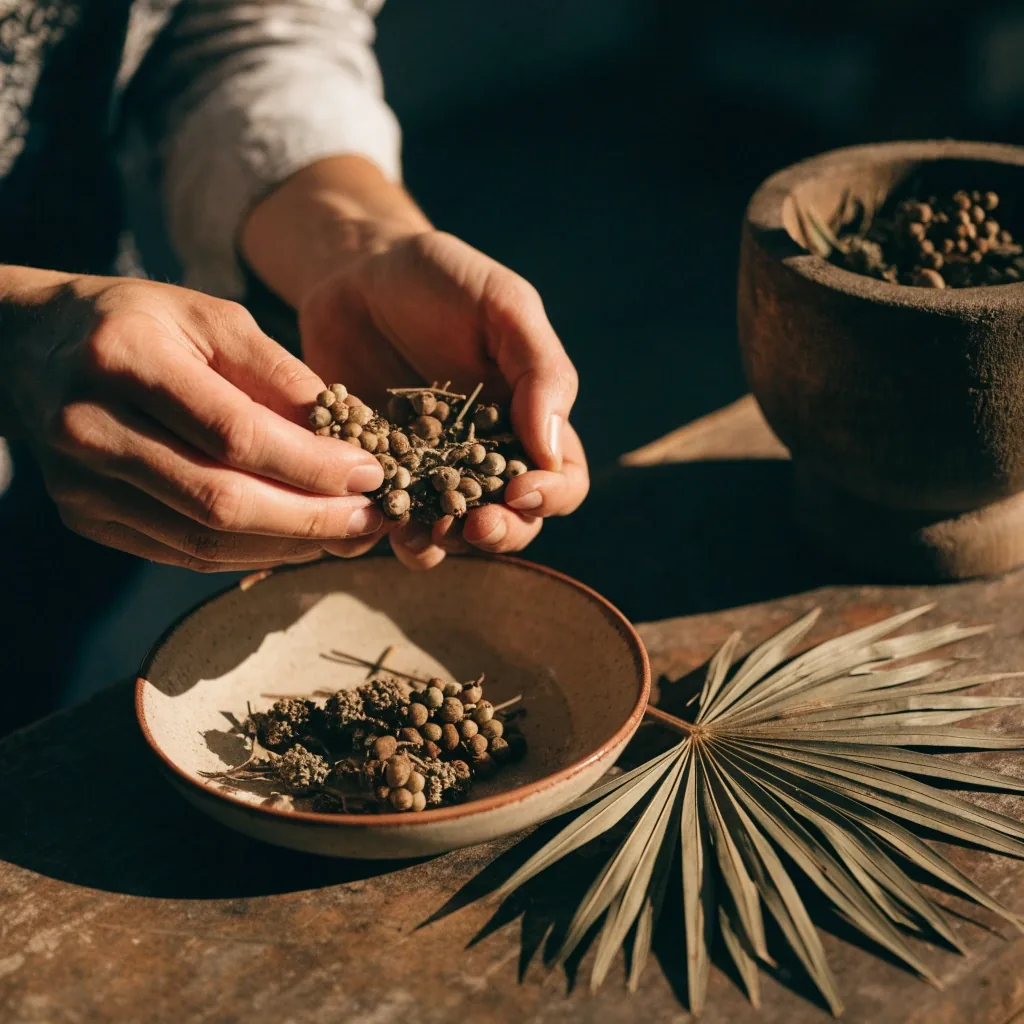
Saw palmetto (serenoa repens)
Same plant, two names: the botanical serenoa repens and the common saw palmetto. Standalone products exist and often ship as tablets in larger counts, while blends list it mid-panel in much smaller amounts.
-
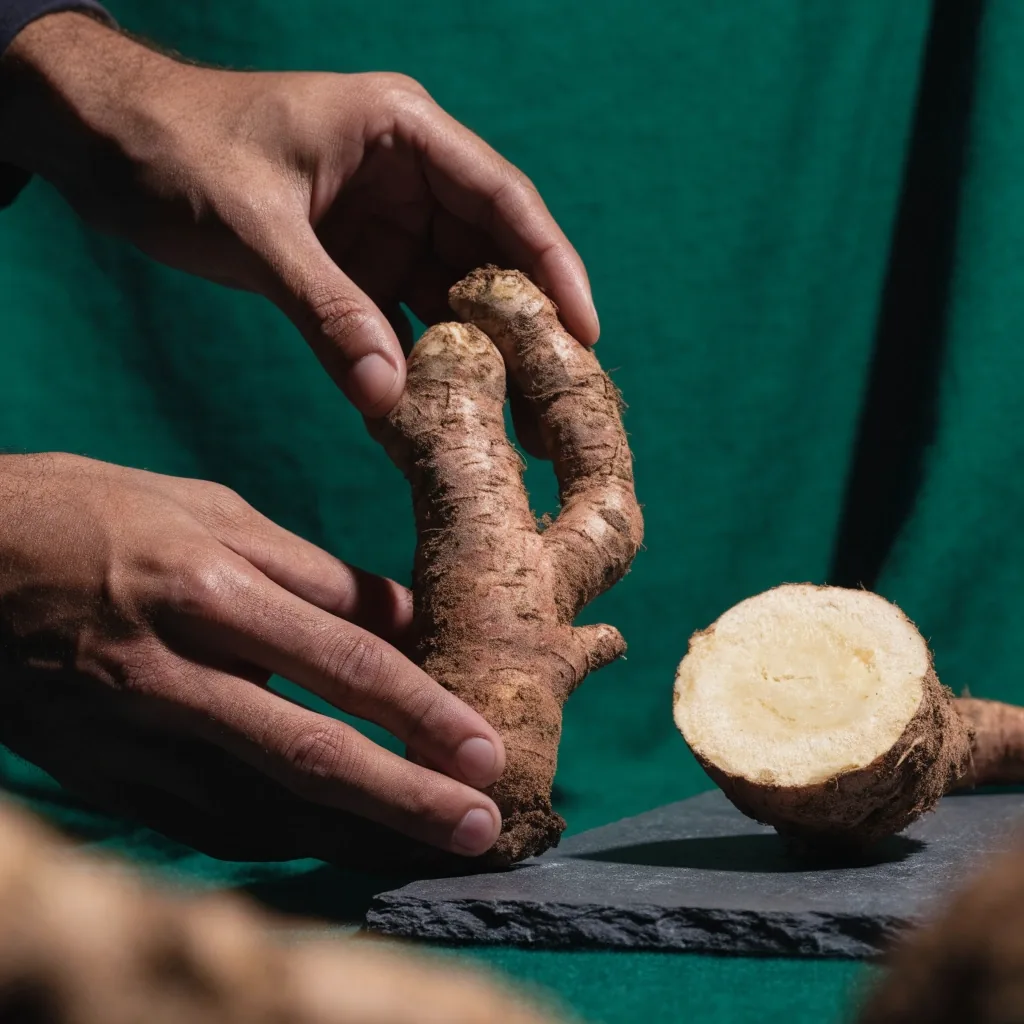
Maca root as a single ingredient
The cleanest example of the one-plant approach: a straightforward milligram figure on the front, nothing else on the panel to decode. A reasonable first botanical if you would rather evaluate one ingredient before trying a blend.
-
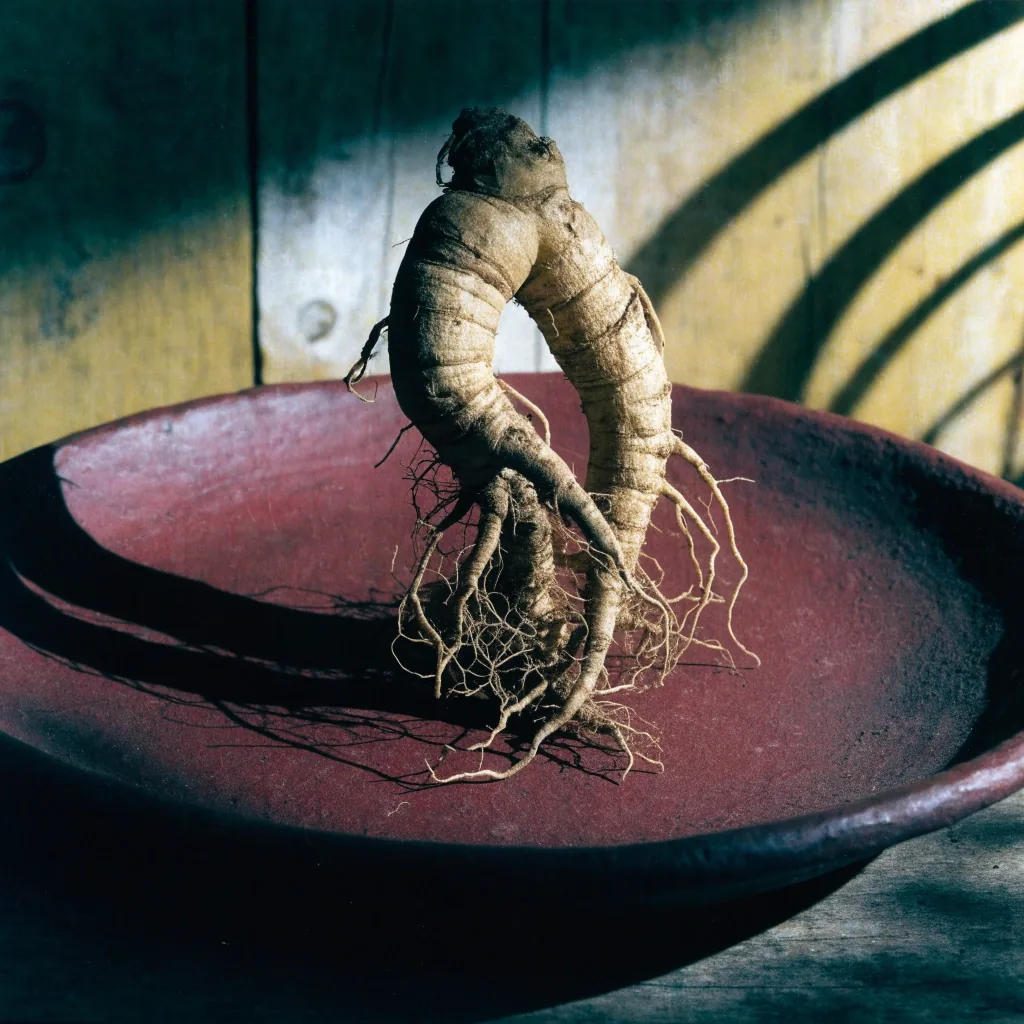
Ginseng
Rarely stands alone on Indonesian shelves. It usually fills out a vitality-oriented blend that already has a headline ingredient, which makes it hard to assess on its own because you cannot isolate it from the mix.
-
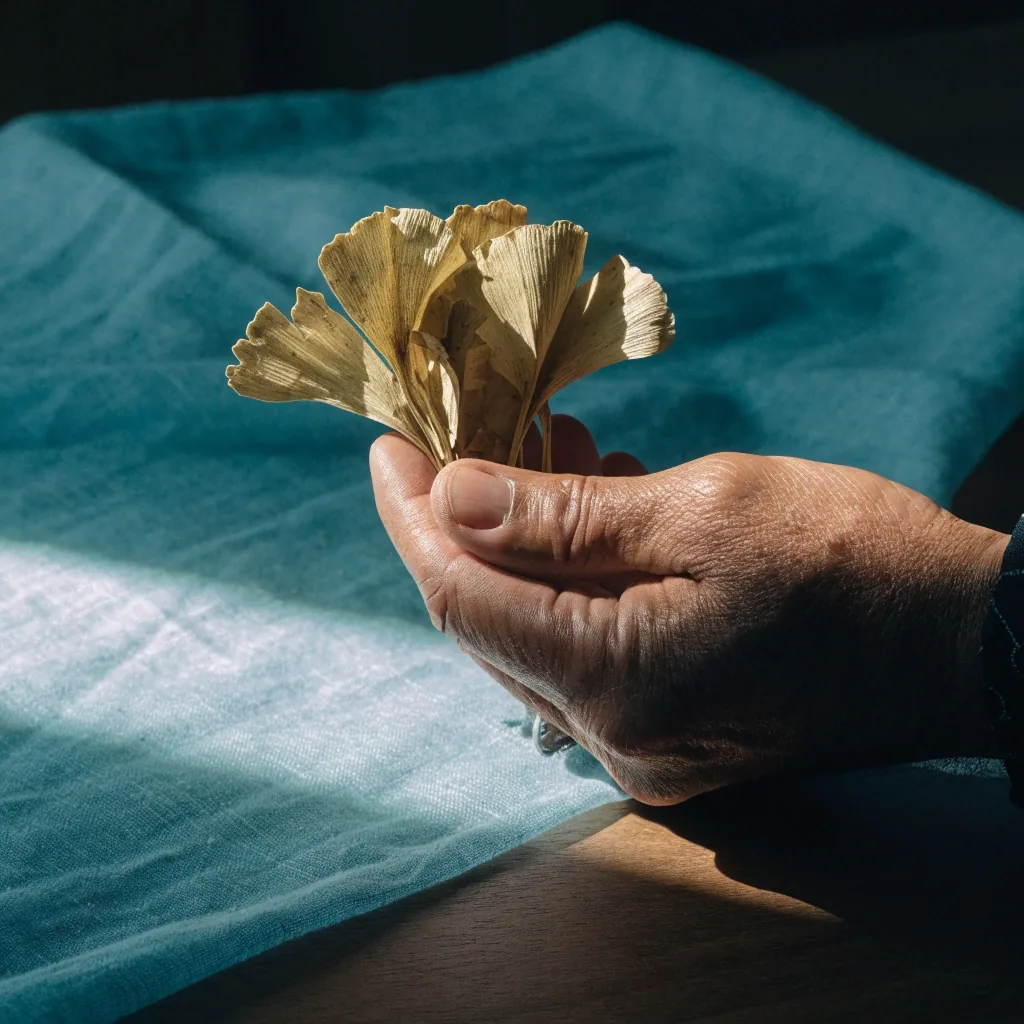
Ginkgo biloba
Appears most often in broader wellness blends rather than in vitality-focused ones. Like ginseng, it is easier to spot on a panel than to study alone, since it rarely carries a formula by itself.
-
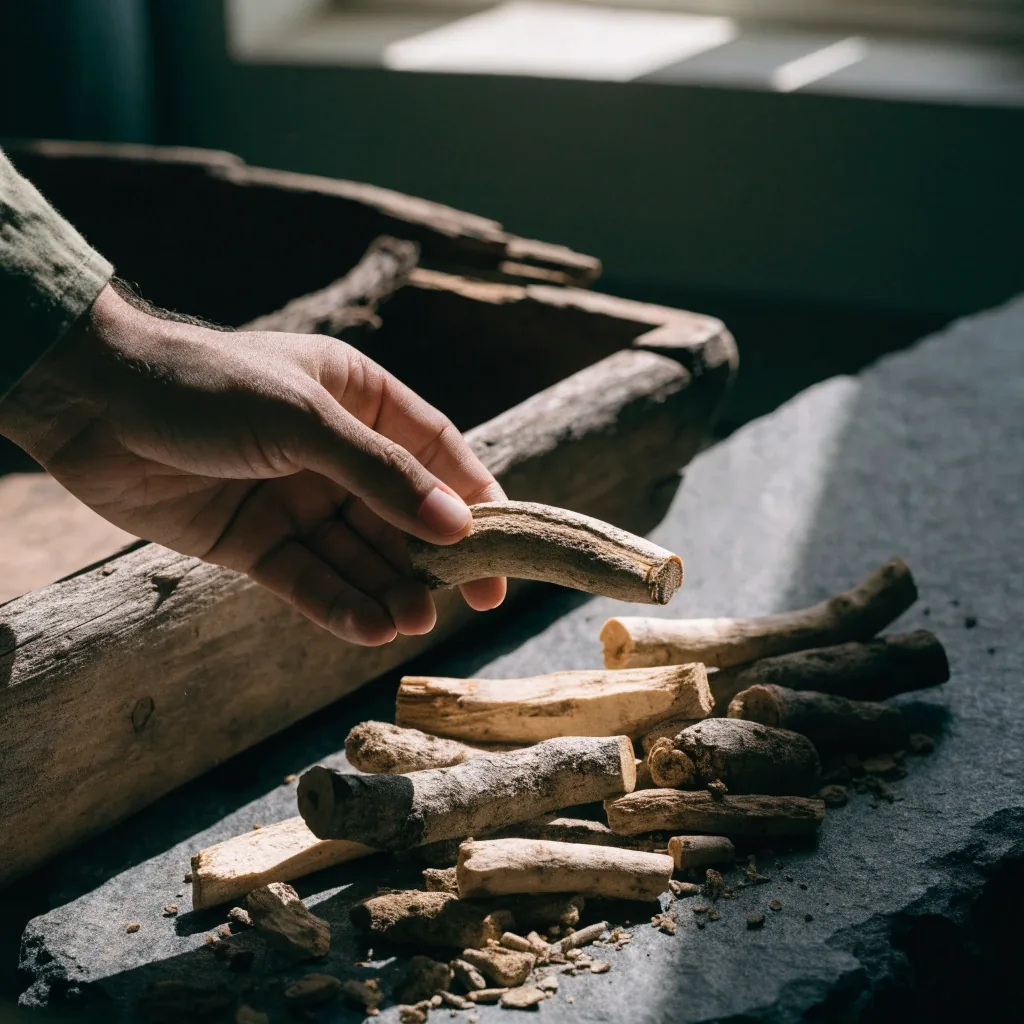
Tongkat ali
Rounds out most blended formulas sold as lifestyle-oriented products. Its name is short and easy to spot on a front panel, which is part of why it has become one of the popular products for men hunting for a botanical blend.
If a specific botanical interests you, a single-ingredient product will teach you more about it than a blend. The rest of this page explains how to compare them side by side.
Blend vs single ingredient
Two honest routes to the same pack
Blends offer convenience and a longer ingredient story. Single-ingredient capsules offer clarity. Neither is wrong, but they answer different questions about what you are actually buying.
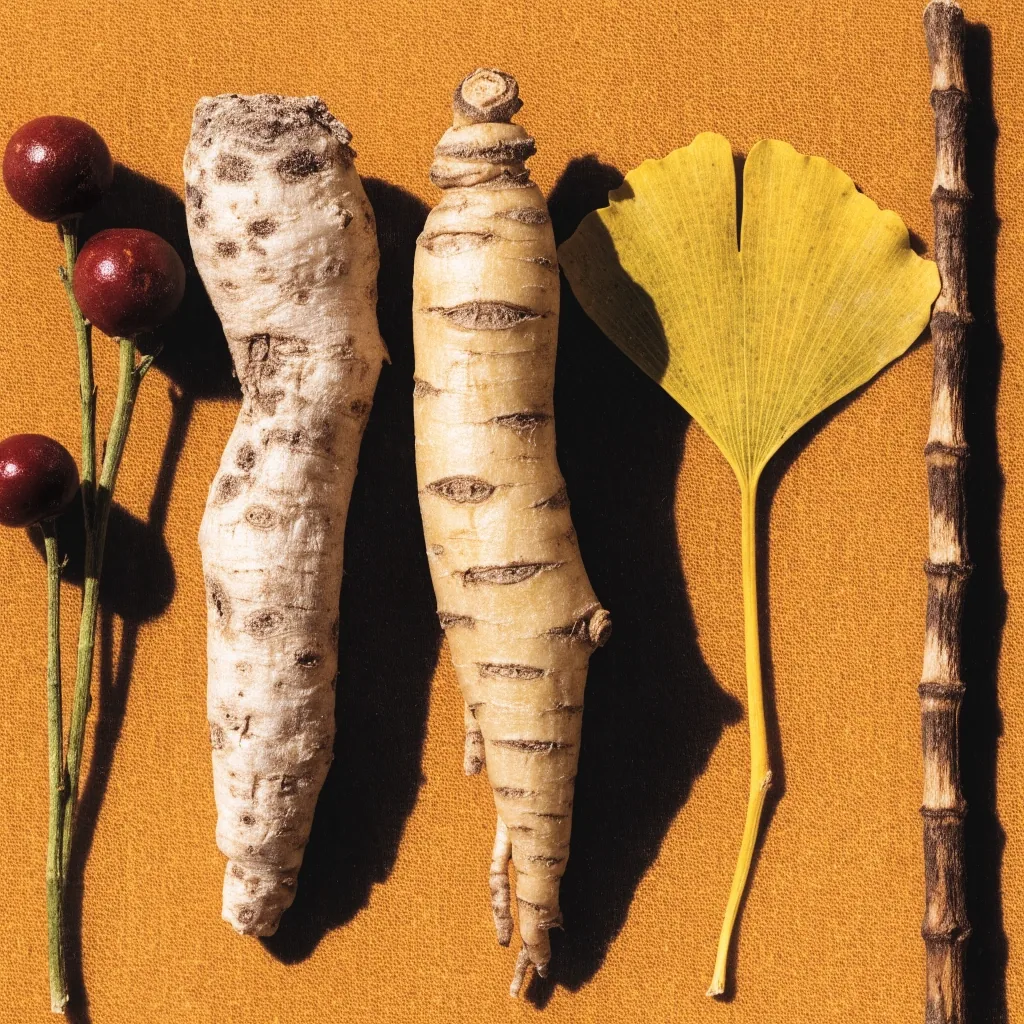
Multi-herb blend
Two or three bottles collapse into one. The panel reads as a longer story, and the packaging usually looks busier because it has more to say.
- ·Every ingredient is present at a fraction of its standalone amount
- ·Convenient if you already know which botanicals suit you
- ·Harder to attribute anything you notice to a single plant
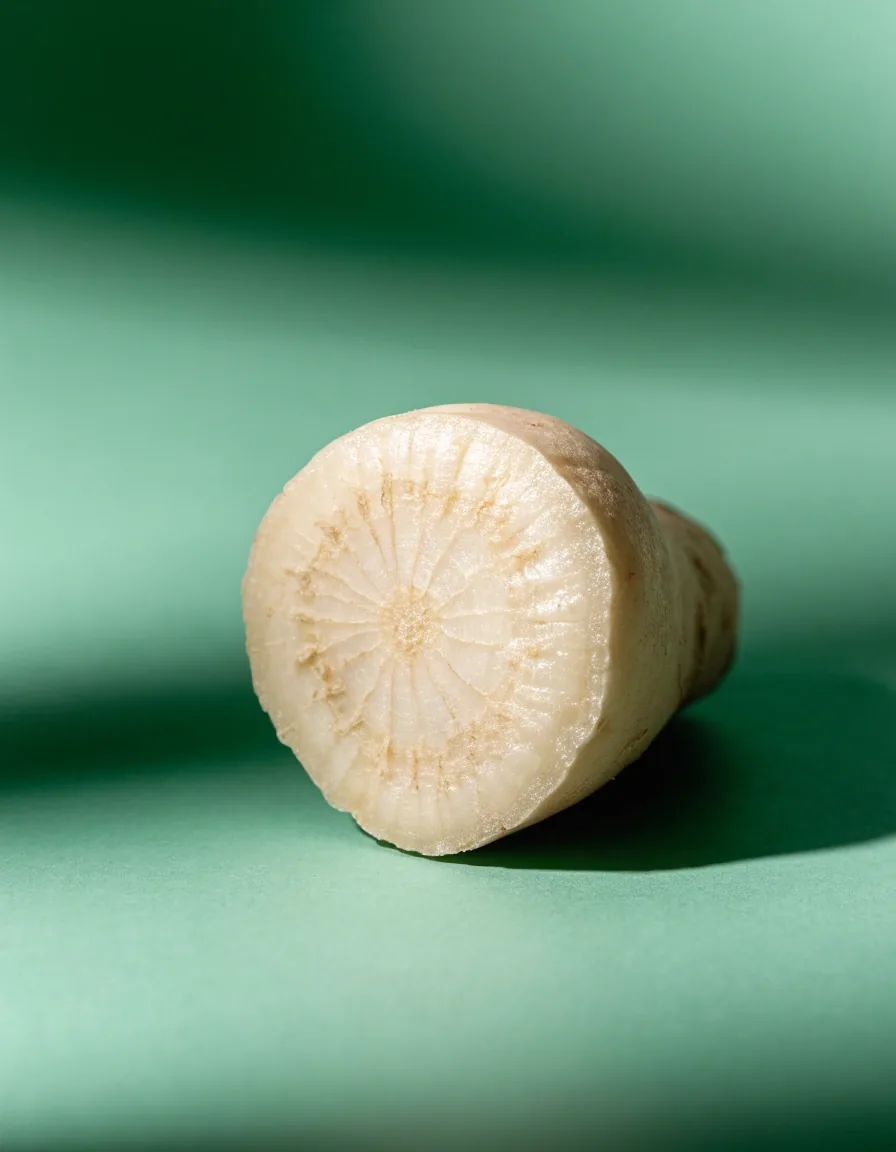
Single-ingredient capsule
One plant, one strength, no supporting cast. The front of the pack gives you almost nothing to decode, which is exactly the point.
- ·Compare a 525mg maca capsule against another 525mg capsule directly
- ·Easier first purchase if botanicals are new to you
- ·One number to verify before you buy
Label claims worth reading
Four lines to check on every panel
Adjectives on the front of the box tell you very little. These four lines carry most of the useful information.
The extract name
Saw palmetto and serenoa repens are the same plant. Pick whichever name the brand prints; the extract matters more than the wording.
The milligram figure
This is the number worth comparing between two packs. A 525mg capsule can be compared to another 525mg capsule; a blend entry cannot be compared to either.
The plant part used
Root, leaf, or berry. Worth noting when comparing two products of the same botanical that were sourced from different parts of the plant.
The tablet or capsule count
Standalone saw palmetto products ship in counts as high as 120 tablets. That figure lets you estimate how long a single pack lasts.
Format and strength
Capsules, tablets, and what the milligram means
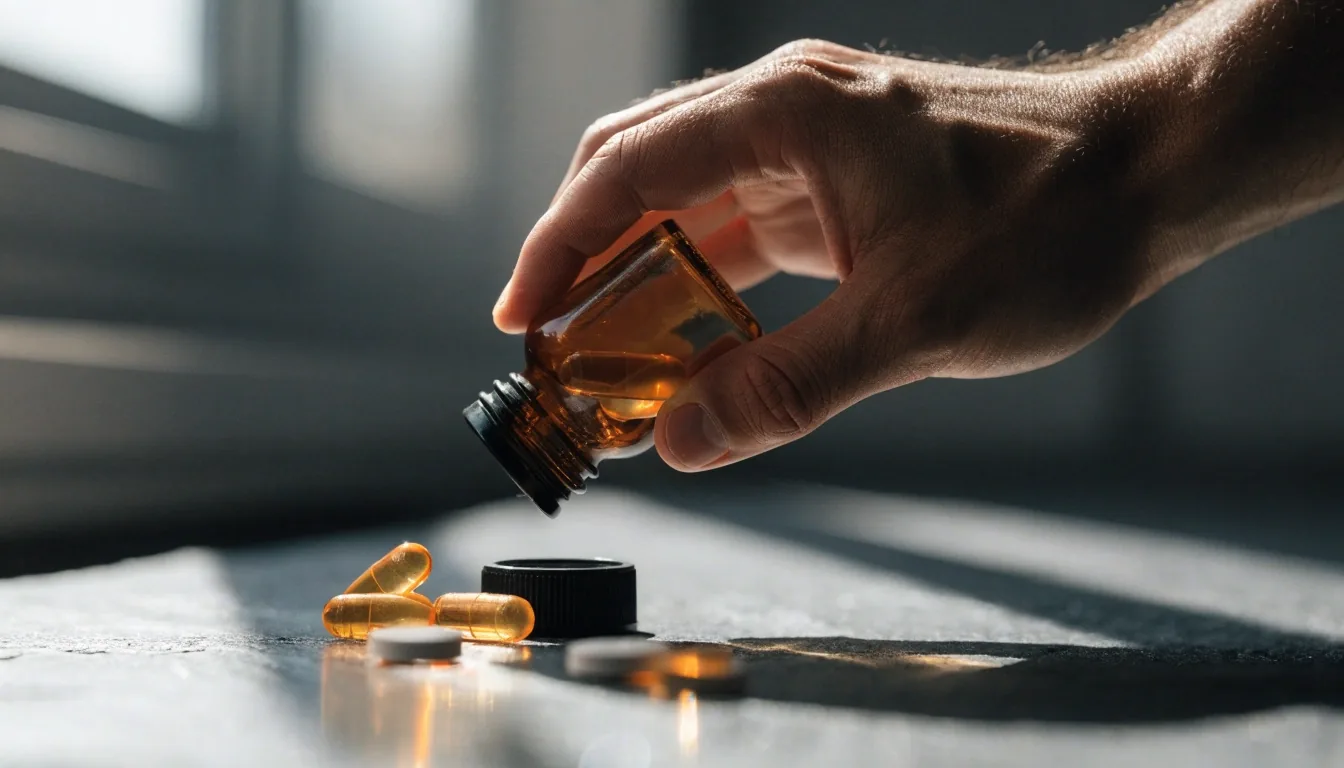
Saw palmetto formulas usually arrive as tablets, while maca and most root extracts come as capsules. Format is a manufacturing choice; strength is a separate figure printed in milligrams, and often paired with a ratio.
Standardisation notes are worth a glance if the brand prints them, because they describe how consistent each batch is. If the panel lists a ratio, that figure describes how much raw material went into the extract rather than how much plant remains in the capsule. Blends get messier still, because every ingredient sits at a fraction of its standalone amount. When in doubt, compare like for like: two capsules at 525mg are comparable, a blend entry and a standalone tablet are not.
Compared like for like
A 525mg maca capsule and another 525mg maca capsule. Same format, same figure, honest comparison.
Not compared like for like
A standalone maca capsule against the maca row inside a five-ingredient blend. Different jobs entirely.
Where botanicals fit in a routine
One capsule, one meal, several weeks
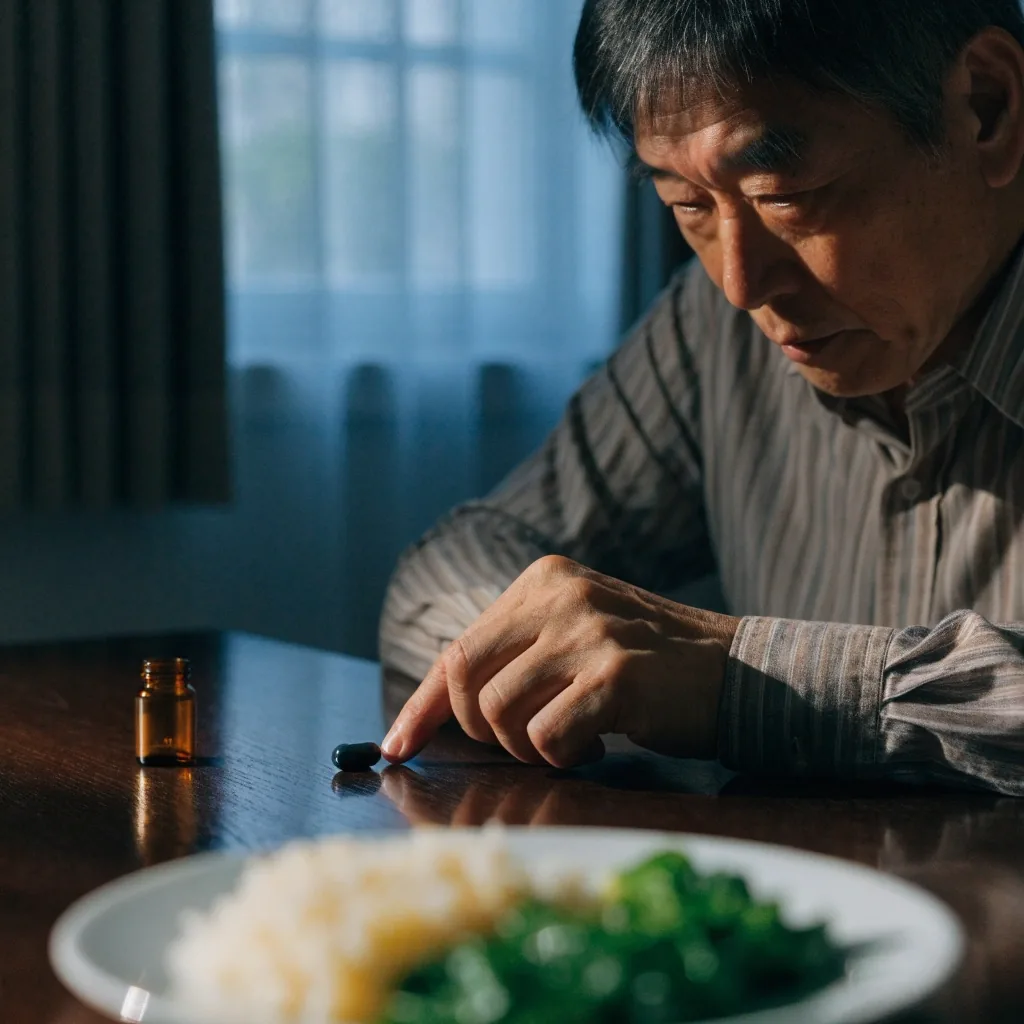
Herbal capsules slot into the same anchors as any daily vitamin: a meal you do not skip, taken consistently. Most men pair one botanical capsule with a men's vitamin supplement and leave it there. Keep the pack, note the start date somewhere you will look again, and give the routine several weeks before drawing conclusions.
If you are already taking a broad multivitamin, check its panel first. Plenty of men's vitamin supplements now include small amounts of these same botanicals, and stacking two products that share ingredients is easier to do by accident than on purpose. Indonesia's humidity also matters here: keep the pack closed, away from direct sunlight and out of bathrooms. A dry cupboard in a living area usually treats capsules better than a kitchen counter near the stove.
Anchor
One meal you already eat every day. Take the capsule with it.
Note
Write the start date on the pack or in a note you will see again.
Review
Give several weeks before deciding whether the routine belongs.
Same meal, same time, same capsule.
Questions visitors ask
Answers before you buy
What is the difference between saw palmetto and serenoa repens?
They are the same plant. Serenoa repens is the botanical name and saw palmetto is the common name used on most supplement labels in Indonesia.
Are herbal blends better than single-ingredient capsules?
Not inherently. Blends combine several extracts in one capsule, which is convenient but makes each ingredient harder to evaluate. Single-ingredient products are easier to assess if you are new to botanicals.
How should I store herbal capsules in a humid climate?
Keep the pack closed, away from direct sunlight, and out of bathrooms. Indonesian humidity is hard on capsules, so a dry cupboard in a living area usually works better than a kitchen counter near the stove.
Ready to compare botanical products?
Bring what you have learned here to the product guide, or talk to the editorial team if a label is still unclear.
Address
Jl. Gatot Subroto Kav. 27, Kuningan, Setiabudi, Jakarta Selatan, 12950, Indonesia
Phone